
What happens when some of the brightest minds in wellness, neuroscience, longevity, and spirituality come together for a weekend? A whole lot of fascinating science, a few existential revelations, and apparently, a new obsession with hydrogen.
I spent the weekend at the Eudemonia Summit exploring everything from the gut microbiome to GLP-1s, hormone replacement therapy, psychedelic-assisted healing, relationships, and manifestation.
As an integrative nutrition health coach, I'm endlessly curious about the intersection of modern medicine, ancient wisdom, and our body's remarkable capacity to heal. And while the science was fascinating, the overarching message was surprisingly simple: We can optimize our biology all we want, but if we're disconnected from ourselves, our relationships, and the joy of being alive, what exactly are we optimizing for?
Here are my biggest takeaways.
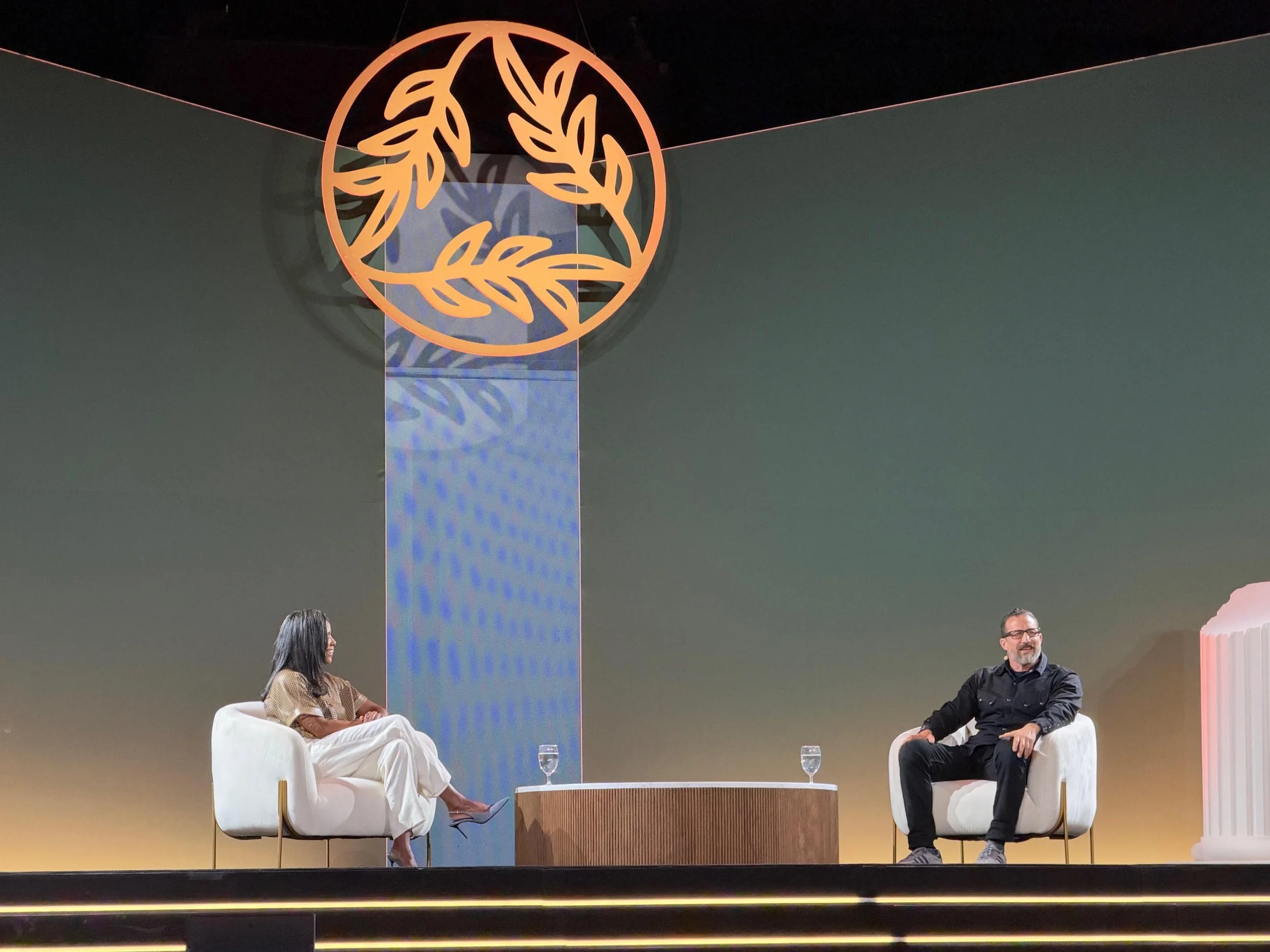
Exploring the intersection of neuroscience, daily prayer, and the power of surrender with Dr. Andrew Huberman and Dr. Jessica Shepherd at Eudēmonia Summit 2026. A thought-provoking conversation on how releasing control, quieting the mind, and embracing spiritual practices can create space for fresh perspectives, creative problem-solving, and greater emotional well-being.
1. Gut Health: Your Microbiome Is Running More Than Your Digestion
The gut microbiome continues to be one of the most fascinating frontiers in medicine.
We're learning more about how our microbial communities interact with our immune system, metabolism, hormones, and brain.
A few highlights:
The first years matter. Birth method, antibiotic exposure, diet, and environmental factors help shape our microbiome from infancy. Researchers are exploring how these early exposures may influence allergies, eczema, and metabolic health later in life.
Not all bacteria are created equal. Beneficial organisms like Bifidobacteria in infants and Lactobacillus in the vaginal microbiome play important protective roles. Supporting the good guys can be just as important as identifying the bad ones.
Precision is replacing guesswork. Advances in microbiome sequencing and strain-specific probiotics are helping researchers understand not just which bacteria are present, but what they're actually doing.
Think twice before the parasite cleanse. Unless there's evidence of a parasitic infection, aggressive cleansing isn't necessarily the answer. We need to focus on creating a healthy microbial ecosystem rather than declaring war on every microorganism.
And my favorite takeaway?
Hug and kiss more. Affectionate contact exchanges microbes, and meaningful human connection has well-established benefits for health. Whether kissing specifically improves gut health remains an open scientific question to be researched further.
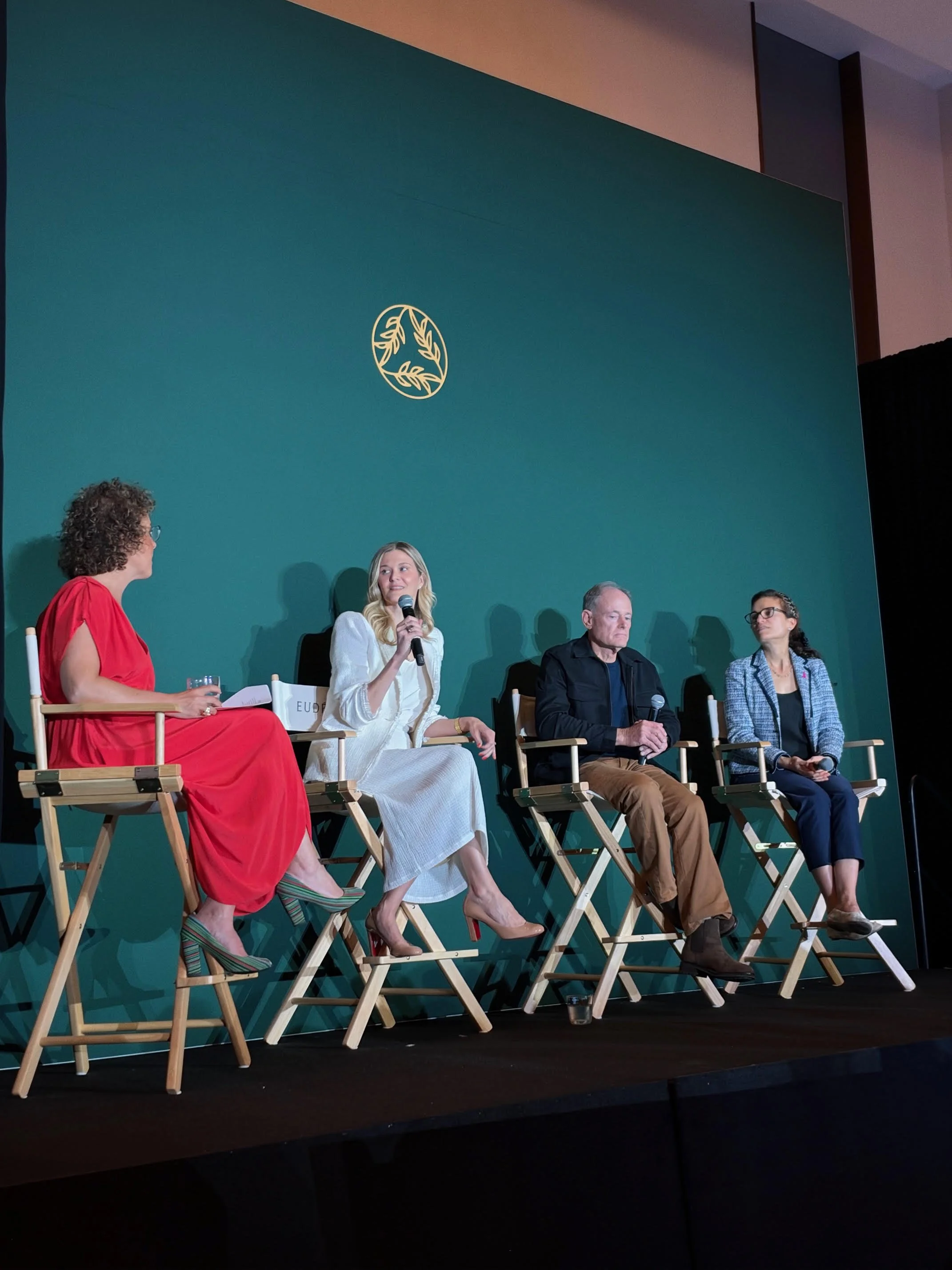
Exploring the science of GLP-1 medications, metabolic health, women's hormones, fertility, menopause, inflammation, and longevity with experts Ashley Koff, Natalie Crawford, David Perlmutter, and Elizabeth McDonald at Eudēmonia Summit 2026. An insightful discussion on why sustainable wellness is about more than weight loss—it's about improving metabolic health, preserving muscle, and supporting long-term vitality.
2. Peptides & GLP-1s: The Future of Metabolic Medicine?
If there's one area of medicine moving at lightning speed, it's peptide therapeutics. The research presented this year is significantly advanced from last year.
GLP-1 medications are changing the conversation around weight management, insulin resistance, and metabolic health. But the discussion is evolving beyond weight loss. Researchers are investigating their potential effects on cardiovascular health, inflammation, reproductive health, cancer and other chronic conditions.
A few things worth knowing:
Metabolic health isn't just about weight. Visceral fat, muscle mass, insulin sensitivity, and body composition offer a more complete picture than BMI alone.
GLP-1 medications can improve metabolic health, potentially restoring ovulation in certain women with metabolic dysfunction. Enter the phenomenon of "Ozempic babies."
During perimenopause, changes in estrogen can influence metabolism and body composition, making metabolic health particularly relevant.
Rapid weight loss can also mean muscle loss. Maintaining adequate protein intake, resistance training, and bone health is essential.
Not all peptides are created equal. FDA-approved medications with substantial clinical evidence are very different from experimental peptides marketed by wellness clinics.
One particularly important point for women: tirzepatide can temporarily reduce the effectiveness of oral hormonal contraceptives when starting treatment or increasing the dose.
The takeaway: Peptides hold enormous promise, but being on the cutting edge shouldn't mean becoming your own clinical trial.
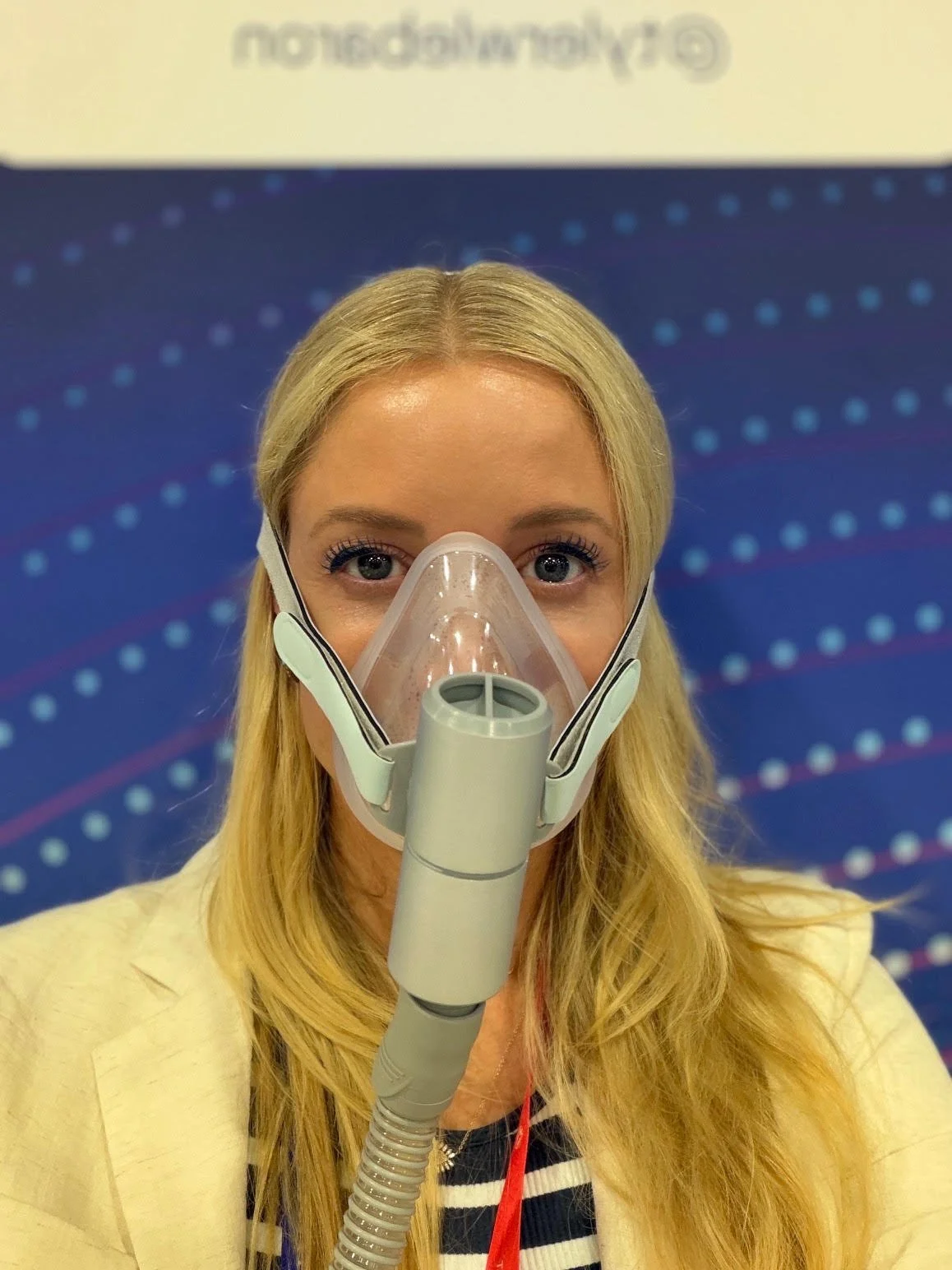
Exploring molecular hydrogen therapy with H2TAB at Eudēmonia 2026. Hydrogen inhalation masks and hydrogen-rich water were among the emerging wellness trends attracting attention for their potential antioxidant, anti-inflammatory, and cellular health benefits. While research is still evolving, molecular hydrogen is one of the latest innovations to watch in longevity and wellness medicine.
3. Hydrogen: The Next Big Wellness Trend?
Move over, cold plunges and red-light therapy. There's a new wellness darling entering the chat. Hydrogen. Yes, hydrogen. As in H₂.
One of the emerging trends that caught my attention at Eudēmonia was molecular hydrogen therapy. And apparently, we're not just drinking our hydrogen anymore. We're breathing it.
Two approaches are gaining attention:
Hydrogen tablets: Tablets added to water that generate dissolved molecular hydrogen, creating hydrogen-rich water.
Hydrogen inhalation therapy: Specialized devices that deliver molecular hydrogen gas for inhalation, typically as part of a controlled gas mixture.
Why the buzz?
Researchers are investigating molecular hydrogen for its potential antioxidant, anti-inflammatory, and cell-protective effects. Early studies are exploring applications involving oxidative stress, metabolic health, recovery, and neurological and cardiovascular conditions. The theory is intriguing: molecular hydrogen may influence cellular signaling pathways involved in inflammation and oxidative stress.
But here's where my inner science nerd raises an eyebrow. Promising research is not the same as proven clinical benefit.
Many studies are preliminary, small, or conducted in animals. We still need larger, high-quality human trials to establish appropriate doses, long-term safety, and meaningful health outcomes. And while inhaling hydrogen sounds futuristic, high-concentration or pure hydrogen gas presents serious flammability and explosion hazards. This is not a DIY wellness experiment.
My prediction? We'll be hearing a lot more about hydrogen tablets, hydrogen-rich water, and inhalation therapy in the wellness space. Whether hydrogen becomes a meaningful medical tool or another very expensive way to hydrate remains to be seen.
For now, consider hydrogen officially on my wellness watchlist—not yet on my must-have list.
4. Hormones & HRT: Menopause Is Not an Expiration Date
One of my favorite themes was the evolving conversation around women's hormonal health.
Estrogen does far more than regulate reproduction. It influences brain energy metabolism, neurotransmitter activity, bone density, mood, sleep, and aspects of immune and metabolic function. As estrogen fluctuates and declines through perimenopause, many women notice changes in emotional resilience, cognition, body composition, and sleep.
Sound familiar?
Hormone therapy deserves a more nuanced conversation than simply labeling it good or bad. For many appropriately selected women, menopausal hormone therapy can significantly improve hot flashes, night sweats, sleep disturbances related to these symptoms, and quality of life. It can also protect bone health. But HRT isn't appropriate for everyone.
One of my favorite philosophical reframes from the weekend was viewing menopause not as a decline, but as a transition into another powerful chapter of womanhood. Menopause isn't the end of your vitality. It can be the beginning of a beautiful reinvention.
5. Psychedelics & Medicinal Therapy: The Real Trip Is Learning to Love Yourself
Psychedelic-assisted psychotherapy was another fascinating conversation. Researchers are studying substances like psilocybin, MDMA, and ibogaine for their potential roles in addressing certain mental health conditions.
One of the most compelling ideas was the importance of set, setting, and integration. The same substance taken recreationally versus in a carefully structured therapeutic environment can lead to very different experiences. The therapeutic relationship, preparation, and ongoing psychological work matter enormously.
Psychedelic research also explores changes in neuroplasticity—our brain's ability to adapt and form new connections.
But what resonated most deeply wasn't the chemistry. It was the possibility of moving beyond intellectually understanding self-compassion to actually experiencing it. The medicine may open a door. But meaningful healing depends on what happens after we walk through it.
The real trip? Learning to forgive ourselves, embrace our imperfections, and recognize that we are worthy of love. No passport required.
6. Brain Health & Emotional Resilience: Your Thoughts Matter
Our thoughts aren't just passing mental chatter. They influence how we perceive and respond to the world. Chronic stress can affect cortisol regulation, sleep, inflammation, mood, and cognitive function.
The brain represents only about 2% of our body weight but consumes roughly 20% of our energy at rest. Translation? Our brains are expensive little organs to operate. And running them on fear, rumination, and chronic stress isn't exactly an ideal maintenance plan.
Some powerful reminders:
Regulate before you react. Deep breathing, meditation, movement, and relaxation practices can help calm an overactivated nervous system.
Sleep is foundational. A good night's sleep may be less glamorous than the latest longevity gadget, but its evidence base is considerably stronger.
Stress management is not optional. Chronic stress has real physiological consequences, although it isn't accurate to suggest that every disease originates in our thoughts.
Rethink alcohol. Research associates greater alcohol consumption with poorer brain-health outcomes, including lower brain volume. My former-sommelier self is paying attention.
And perhaps most importantly, we're allowed to rest without earning it. Sometimes the most productive thing you can do for your health is absolutely nothing.

At Eudēmonia 2026, Dr. Jessica Shepherd explored how estrogen influences women's brain health, mood, memory, and emotional resilience—especially during perimenopause and menopause. The takeaway? Emotional resilience isn't just mindset. It's biology, too.
7. Manifestation & Mindset: We Are All Magicians
Peter Crone offered some of the weekend's most thought-provoking philosophical insights. His central message? We often create our lives through the lens of limiting beliefs we've accumulated over time.
We pursue love because we fear abandonment. Success because we fear inadequacy. Security because we fear uncertainty. But what happens when our desires are driven by the very fears we're trying to escape? We often manifest our conditioning, not our desires.
The magic happens when we shift from wanting to embodying. Not someday. Right now.
Instead of asking, "How do I get what I want?" ask yourself, "Who am I being, and what energy am I bringing into the world?"
It's about shifting your internal frequency—not waiting for circumstances to change before allowing yourself to feel the joy, love, and abundance you're seeking.
I loved Peter's metaphor that we're all magicians. Abracadabra. As I speak, so I create. Not because words literally control the universe, but because our beliefs, language, attention, and actions shape how we experience and participate in life. The invitation is to stop reacting to our past and start consciously creating our future. To stop postponing happiness until some idealized version of ourselves finally arrives.
Your present life isn't a dress rehearsal. This is the main event.
A little less fear. A little more faith. And perhaps a little less trying to control the entire universe before breakfast.
8. Relationships: Our Greatest Mirrors & Teachers
One of the most moving conversations explored relationships, conflict, and the art of repair. Relationships can reveal our deepest insecurities, fears, and patterns. The things that trigger us often offer information about our internal world. But here's the important distinction: understanding our wounds doesn't mean accepting unhealthy behavior from others.
Healthy relationships require two people willing to practice accountability, emotional regulation, and repair.
A few pearls of wisdom:
Love requires the capacity for ambiguity. Our desire for absolute certainty can sometimes suffocate connection.
Repair is a practice, not a performance. It's about showing up with curiosity, compassion, honesty, and a willingness to take responsibility.
Boundaries aren't about controlling another person. They're about knowing our values and choosing how we respond.
Our nervous systems matter. It's difficult to navigate emotionally challenging conversations when we're exhausted, overstimulated, overcaffeinated, and dysregulated.
And perhaps the most meaningful takeaway: You are the one you've been waiting for.
We can love another person deeply without making them responsible for our sense of wholeness.
Sometimes repair means moving toward someone else.
Sometimes it means returning to ourselves.
9. Longevity & Biohacking: Are We Over-Optimizing?
At a conference full of cutting-edge wellness technology, one question kept surfacing: Have we become so obsessed with optimizing our health that we've forgotten how to enjoy being healthy?
We track sleep scores, glucose levels, steps, heart rate variability, biological age, and approximately 47 other metrics before our first cup of coffee. And while data can be empowering, it can also become another source of anxiety.
The basics still matter:
Hydrate adequately, adding electrolytes when needed.
Eat real, nutrient-dense food.
Get natural light early in the day.
Move your body and maintain muscle.
Prioritize restorative sleep.
Cultivate meaningful friendships and relationships.
Practice gratitude, prayer, or meditation.
Make room for play, laughter, and spontaneity.
Because what good is living to 100 if we're too busy tracking our biological age to enjoy our 40s, 50s, and 60s?
The goal isn't simply to live longer. It's to live better.
10. The Biggest Takeaway: Love Is the Medicine
For all the fascinating science, peptides, psychedelic research, hydrogen inhalation devices, and longevity protocols, the most meaningful message was also the simplest.
We are human beings, not optimization projects. We spend so much time trying to fix, improve, measure, and perfect ourselves that we risk missing the beauty of who we already are.
A recurring theme throughout Eudēmonia was transforming fear into love.
Choosing connection over isolation.
Presence over perfection.
Compassion over criticism.
Trust over the illusion of control.
And recognizing that sometimes the most profound healing begins with changing our relationship with ourselves. We don't need to love every difficult experience or pretend that suffering is necessary for growth. But we can choose to approach life's challenges with curiosity, courage, and self-compassion.
What a privilege it is to be alive. To love. To learn. To grow. To begin again.
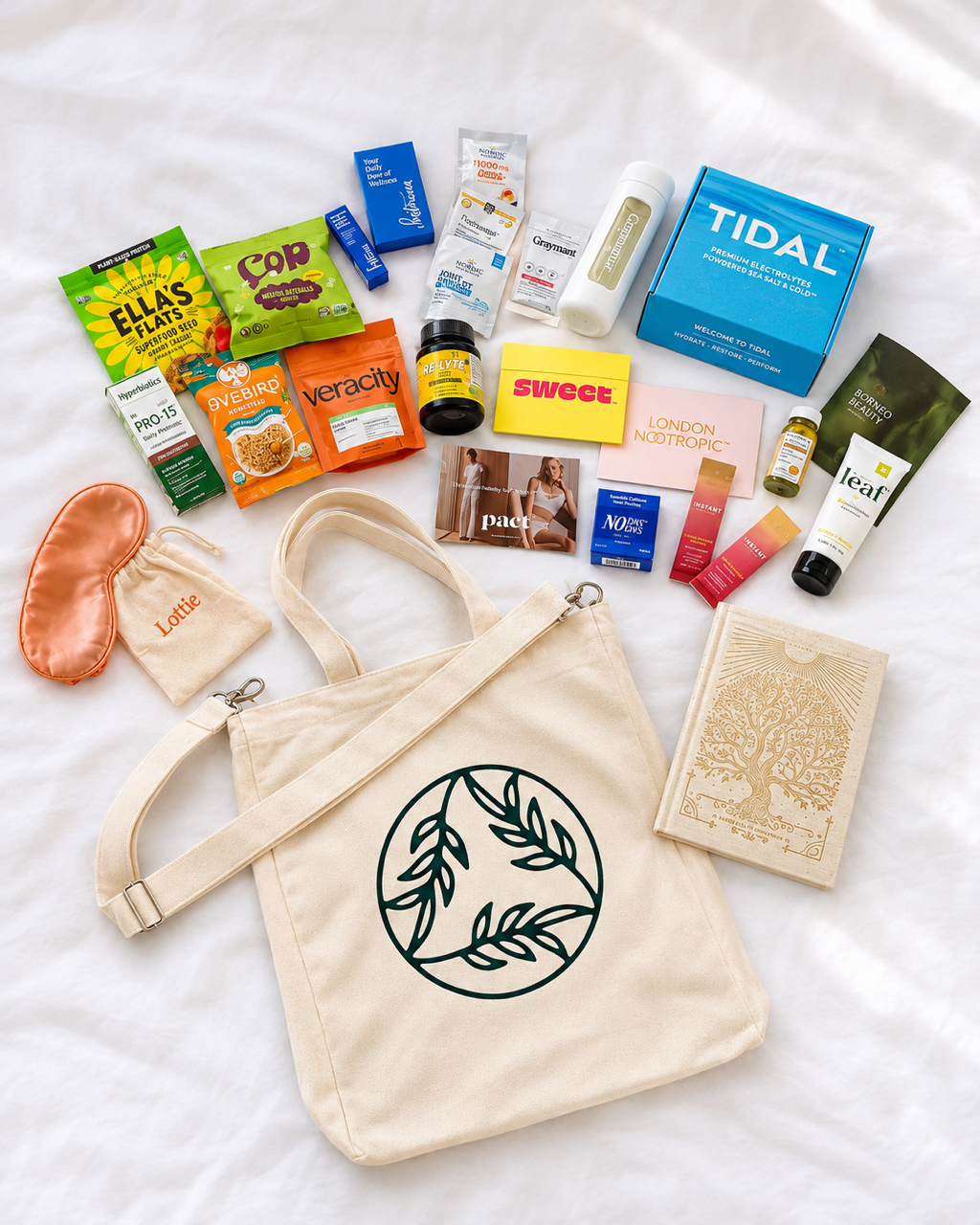
The Eudēmonia 2026 wellness conference featured an impressive lineup of innovative health and longevity brands, with a giveaway bag full of exciting products to explore. Electrolytes and hydration were major wellness trends this year, and attendees received plenty of new electrolyte formulas to sample. From functional nutrition to cutting-edge wellness products, the vendors offered a glimpse into the future of health and longevity.
My Eudemonia Prescription
💦 Hydrate. Electrolytes when you need them.
🦠 Nourish your gut. Feed the good bacteria.
💋 Kiss and hug more. Connection is good medicine.
💉 Watch the peptide space. Exciting research, with responsible medical guidance.
💨 Keep an eye on hydrogen. The latest wellness trend worth watching, with a healthy dose of scientific skepticism.
🌸 Support your hormones. Menopause is a transition, not an expiration date.
🥥 Eat real food. Your grandmother might have been onto something.
🌅 Get morning sunlight. Nature's original circadian-rhythm tool.
🍷 Drink less alcohol. Your brain will thank you.
🧠 Protect your peace. Your nervous system needs recovery.
😮💨 Release perfectionism. You are not a project to be completed.
👌🏻 Stop over-optimizing. Sometimes good enough really is good enough.
🍄 Practice self-love. The most important inner journey.
🪞 Let relationships teach you. Without losing yourself in the process.
💫 Create consciously. Your beliefs shape your choices.
🙏🏻 Choose faith over fear. Release what you cannot control.
❤️🔥 Remember: You are the one you've been waiting for.
The Final Word
I arrived at Eudēmonia eager to discover the latest science behind living longer, feeling better, and optimizing health. I left with a reminder that perhaps the greatest measure of wellness isn't biological age, metabolic flexibility, or how many supplements we take. It's our capacity to love, connect, experience joy, and feel at peace within ourselves.
The future of wellness may be hydrogen, peptides, and precision medicine. But the foundation of wellness will always be how we care for our bodies, our minds, and one another.
Science meets soul. And I'm here for all of it.
Note: This article shares educational insights, emerging research, and personal reflections from Eudēmonia 2026. Some therapies discussed remain experimental. Always consult a qualified healthcare professional before beginning medical treatments or making changes to medications.
